In distributed environments, the biggest operational challenge is not fixing problems—it is knowing they exist in the first place. Too many organizations rely on reactive models. A store calls in an issue. A ticket is created.
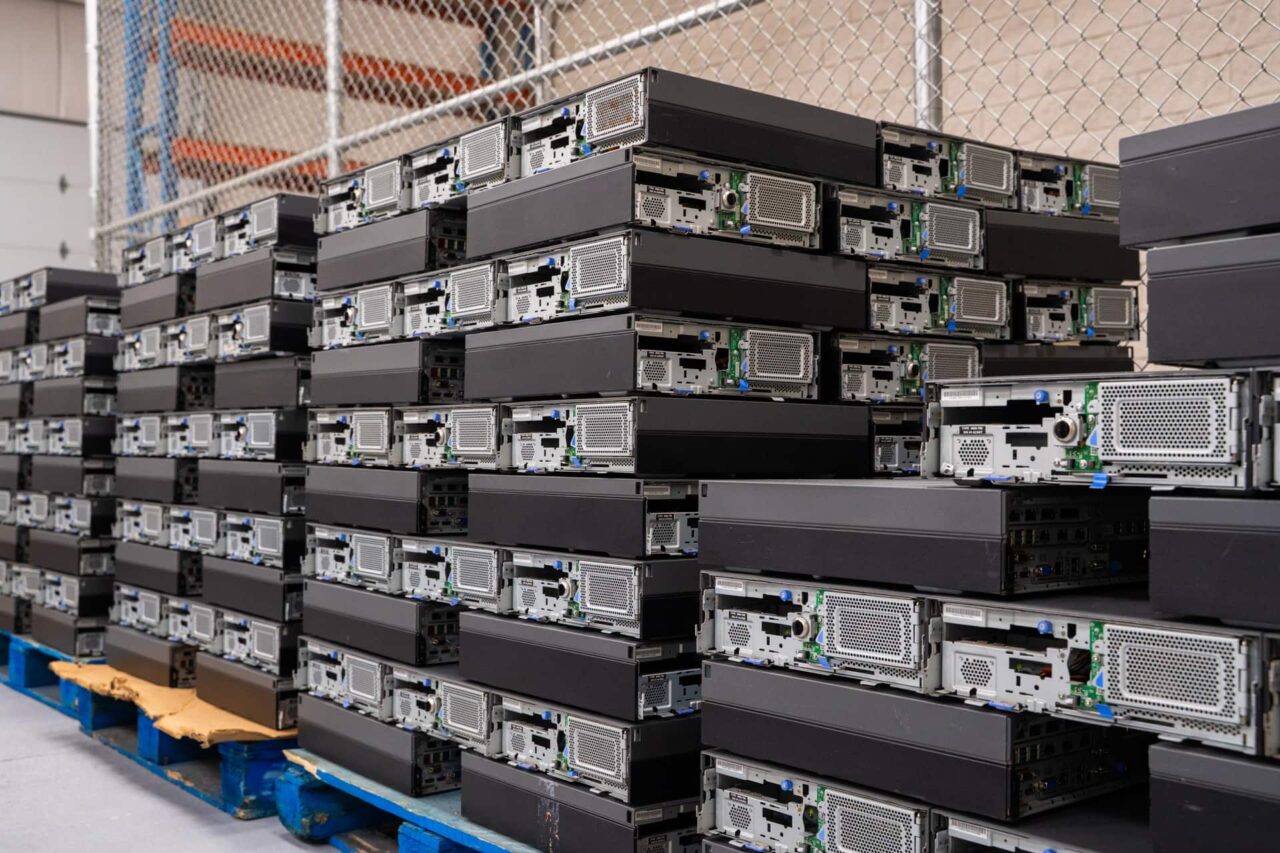
When a retail store closes, the focus is often on speed—vacating the space, removing fixtures, and shutting down operations. What’s overlooked is the complexity and risk tied to de-installed IT assets. POS systems, payment terminals, scanners,
Retailers focus heavily on securing active systems—but often overlook what happens after devices are removed from service. That is a mistake. The National Institute of Standards and Technology (NIST 800-88) defines strict requirements for media sanitization.
Traditional store deployments are slow, expensive, and inconsistent. Too much work is done on-site, where time is limited and variables are difficult to control. Leading retailers are shifting to a different model: centralized integration and staging—often
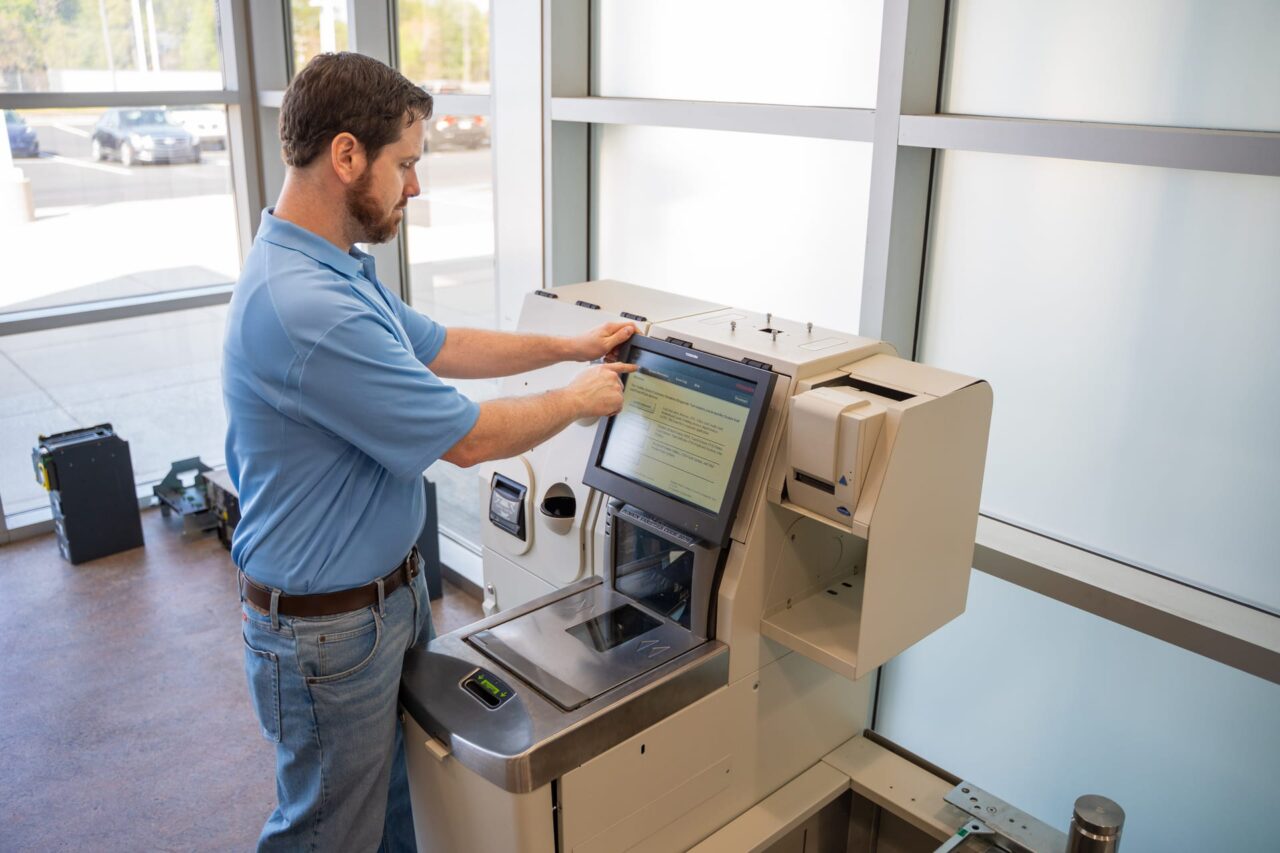
Across large retail environments, one issue consistently undermines performance: lack of visibility into the payment estate. According to Gartner, asset visibility remains a top challenge in distributed IT environments. In payments, the impact is immediate and